Document Understanding
Multimodal document understanding, generation, and intelligent analysis

Human-Intelligence iNTegration Lab
Document Understanding · Human–Computer Interaction · Collaborative Cognition
H!NT Lab (Human-Intelligence iNTegration Lab) explores how human intelligence and machine intelligence can work together more deeply. Our goal is to build human–AI collaboration systems that are more natural, efficient, and genuinely useful.
Our research is organized around three closely connected areas:
Multimodal document understanding, generation, and intelligent analysis
Natural, efficient interaction technologies and human–AI collaboration systems
How human cognition and AI can complement each other in complex tasks
These three directions reinforce one another. Document understanding provides the foundation for information processing; interaction technologies make communication between humans and AI smoother; and collaborative cognition helps us rethink how human–AI systems can become more effective as a whole.
Selected projects currently underway in our lab
An AI collaboration workbench for professional translation teams.
An intelligent literature search platform for medical deep research.
A legal translation resource project for Chinese law communication.
Featured publications at ACL, CSCW, and IJCAI
Questions about the lab, research collaboration, or student opportunities.
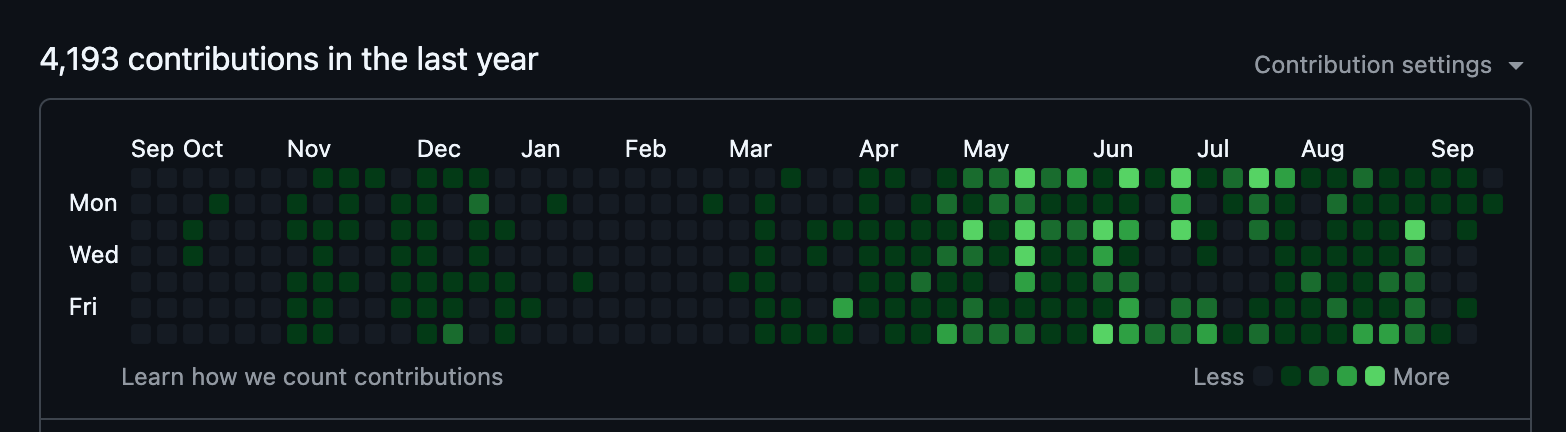
At H!NT Lab, we care less about titles or polished resumes, and more about whether people are willing to do real work. Research and engineering are not built by talk alone. They take code, debugging, trial and error, and steady progress over time.
I do not judge students only by their background, major, or prior experience. You may have a weak foundation, come from a non-CS background, or have little experience at the beginning. What matters more to me is whether you are willing to learn, try things yourself, and take one concrete step forward when facing a real problem.
Your first code may be rough. Your first idea may be naive. That is fine. What I value is whether you have actually tried, whether you can explain what you did, where you got stuck, and how you plan to improve.
If you would like to contact me, please first read one of the projects on this page and briefly answer the following three questions in your email:
Which problem or direction interests you?
What do you think this project is trying to solve?
If you were to get involved, what small step would you try first? This could be a piece of code, a simple experiment, a literature review, or a concrete analysis.
There is no need for a long self-introduction or a generic statement of interest. I would rather see a small sign of real thinking and action.
Your starting point matters less than your willingness to act. I look forward to working with students who are ready to learn by doing and to build something meaningful together.